
In recent years, the electronic cigarette in Singapore has seen significant advancements and changes, shaping the landscape of tobacco alternatives in the region. The rise of e-cigarettes is closely linked to global trends where individuals seek alternatives to traditional smoking due to health concerns and regulatory shifts. These devices, also known as vapes, have become increasingly popular in various parts of the world, including Singapore, where the scene is rapidly evolving amidst strict government regulations.On diving deeper into the world of electronic cigarettes, it’s crucial to understand their composition and functionality. An e-cigarette typically consists of a battery-powered device that heats a liquid—commonly referred to as e-liquid or vape juice—producing an aerosol inhaled by users. The e-liquids come in a variety of flavors and nicotine strengths, allowing users to tailor their vaping experience to personal preferences. This customization potential is one of the key drivers behind the popularity surge. Furthermore, the perception of e-cigarettes being less harmful compared to traditional cigarettes is a significant motivating factor for many smokers switching to vaping.
Regulations and Public Health Policies
The sale and use of electronic cigarettes in Singapore are heavily regulated. The Health Sciences Authority (HSA) enforces a blanket ban on the import, sale, and distribution of e-cigarettes to curb their usage among the population. This regulatory stance stems from public health concerns as the government aims to prevent the uptake of vaping among non-smokers and adolescents. However, despite these restrictions, there is a growing underground market catering to the demand for e-cigarettes. While some argue for lifting the ban in favor of strict regulations and quality standards that might ensure safer usage conditions, others believe that absolute prohibition is the best route to maintain public health. The ongoing debate reflects broader global discussions on e-cigarette regulation, with different countries adopting varied approaches based on their public health goals and societal norms.
The Influence of Technology and Innovation

Technological advancements have played a pivotal role in the evolution of e-cigarettes. Modern devices now feature advanced temperature controls, longer battery life, and innovative designs to enhance user experience. Sub-ohm vaping is one of the trends resulting from technological refinement, allowing for greater vapor production and intensified flavor, attracting more users into the vaping community. Singapore’s stringent regulations create a unique environment where technology could potentially be leveraged to develop safer products, should the legal landscape permit such innovation.
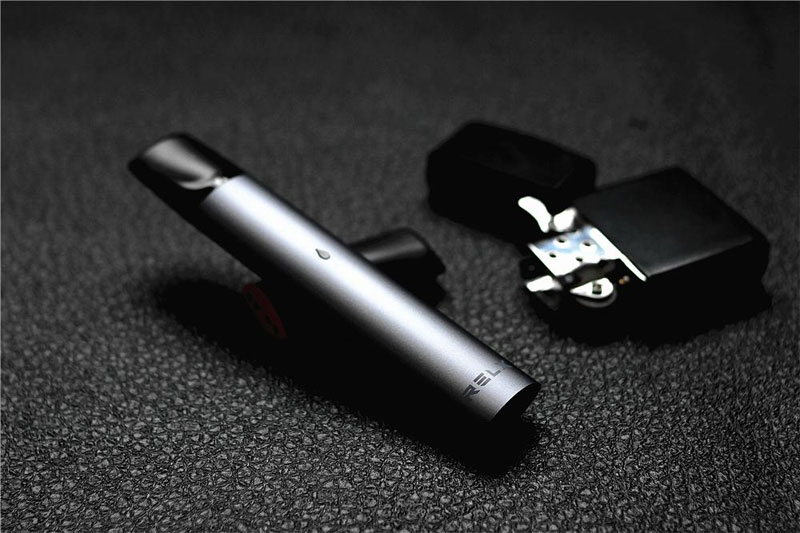
- User Preferences: Many users appreciate the variety of options available, from sleek pen-style devices to more robust mods.
- Flavors and Customization:
 This aspect largely contributes to user retention as they explore different combinations that suit their taste.
 - Nicotine Levels: Customizable nicotine strength enables users to control their intake and potentially reduce their dependency over time.
Public Perception and Societal Impact
The presence of electronic cigarettes in Singapore also stirs diverse public opinion. While some view them as a promising tool for smoking cessation, others consider them a potential gateway to nicotine addiction. The visibility of vaping in public spaces remains low due to the legal constraints, which generally reduces social acceptance. Efforts to educate the public about the potential risks and benefits of e-cigarette use continue to be an essential part of the broader public health strategy. Researchers and policymakers aim to balance innovation with health concerns, advocating for more comprehensive studies to understand long-term effects and efficiency in smoking cessation fully.
Frequently Asked Questions
Q1: Are e-cigarettes legal in Singapore?
A: No, the import, sale, and distribution of e-cigarettes are banned in Singapore, although some individuals may still access them through illegal means.
Q2: Why are e-cigarettes banned in Singapore?
A: The government aims to protect public health, particularly targeting young people and non-smokers to prevent nicotine addiction.
Q3: Is vaping safer than smoking traditional cigarettes?
A: While some studies suggest e-cigarettes might be less harmful than traditional cigarettes, they are not risk-free and can still lead to addiction and other health issues.