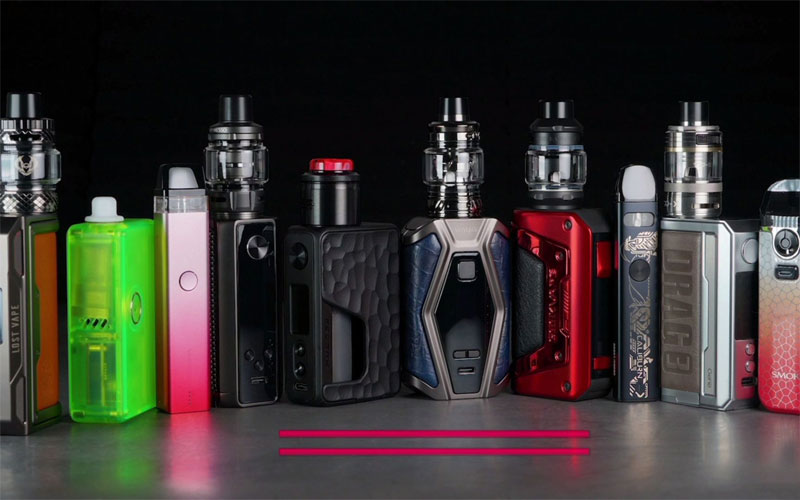
E-cigarettes, often considered the modern alternative to traditional tobacco products, have been subject to age restrictions worldwide to ensure safe consumption and prevent underage usage. As the e-cigarette industry continues to grow, regulations around age limits become increasingly important in safeguarding young individuals from nicotine addiction.Upon examining the regulatory landscape, we find that many countries have enacted strict laws surrounding the minimum age to purchase e-cigarettes. In the United States, for example, federal law dictates a minimum purchasing age of 21 for all tobacco products, including e-cigarettes. This legislation is supported by numerous studies highlighting the adverse health effects associated with nicotine, particularly on the developing brains of younger individuals. The age restriction is not merely a legal barricade; it serves as a protective measure against potential long-term health issues.
A significant aspect of these age restrictions is enforcement. Retailers are required to implement age verification systems, often utilizing advanced technology to confirm the age of consumers before transaction completion. Failure to comply results in stringent penalties, ranging from heavy fines to license revocation. These measures underscore the seriousness with which governments view the sale of age-restricted products. Moreover, public awareness campaigns play a vital role in educating the community, emphasizing that e-cigarettes are not a harmless substitute for traditional smoking.
International Differences
E-cigarette age restrictions are not uniform globally; they vary significantly from one region to another. In the UK, the minimum age is set at 18, aligning with their policies on traditional tobacco products. Meanwhile, Australia has adopted a more conservative stance, mandating nicotine prescription access under medical supervision, reflecting their cautious approach to public health.
The differences in international policies often spark debates within communities, questioning the effectiveness and implications of such regulations. Countries must balance these policies with efforts to combat illicit trade, which undermines these age restrictions by providing easier access to underage individuals. Smuggling and illegal sales remain challenges that governments worldwide continue to address.
With the rise of online sales, additional layers of scrutiny have been added to counteract these threats. Online retailers are equally tasked with verifying age through digital identification processes, a step crucial in curbing unauthorized sales.
Evolving Landscapes
As e-cigarettes become more prevalent, policy-makers are tasked with adapting regulations to accommodate evolving consumption patterns. This dynamic environment calls for ongoing research to inform legislation effectively. Emerging evidence on the health impacts of e-cigarettes frequently influences policy decisions, compelling authorities to remain vigilant and responsive to new data.
Consumer education remains a cornerstone in the effort to prevent underage vaping. By informing both young people and their guardians about the potential risks associated with e-cigarette use, communities foster a holistic approach to public health.
Various advocacy groups continue to lobby for stricter age controls and enhanced preventive measures, emphasizing the societal responsibility to protect future generations.
Why are e-cigarette age restrictions necessary?
Age restrictions help protect young individuals from nicotine addiction and other potential health risks associated with e-cigarette usage.
How are age restrictions enforced?
Retailers use age verification systems, including technology and ID checks, to ensure consumers meet the legal age requirements.
Are e-cigarette age restrictions the same worldwide?
No, they vary significantly between countries, reflecting different legal frameworks and public health policies.

 these policies with efforts to combat illicit trade, which undermines these age restrictions by providing easier access to underage individuals. Smuggling and illegal sales remain challenges that governments worldwide continue to address.
 evidence on the health impacts of e-cigarettes frequently influences policy decisions, compelling authorities to remain vigilant and responsive to new data.