
E-cigarettes, often hailed as a safer alternative to traditional smoking methods, have gained significant popularity in recent years. Yet, facts on e cigarettes reveal complexities that are often overlooked. Let’s dive into some surprising details about these electronic devices.
A Modern Smoking Solution: More Than Just Vapors
Unlike conventional cigarettes, e-cigarettes work by heating a liquid to produce vapor. This liquid typically contains nicotine, flavorings, and other chemicals. The intriguing part is that while marketed as a less harmful alternative to smoking, e-cigarettes still contain addictive substances. The nicotine used in these liquids is just as potent as that in traditional cigarettes, raising concerns over dependence among users.
The Composition of E-Liquids
The e-liquids used in e-cigarettes contain more than just nicotine. They often feature a base of either propylene glycol or vegetable glycerin, both deemed generally safe for consumption by food agencies. However, when vaporized and inhaled, their effects on the lungs are still under research. Moreover, the variety of flavors can include a range of chemicals, some of which may have unknown health implications.
The Health Debate: Safer Than Smoking?
One of the predominant facts on e cigarettes is their role in harm reduction strategies. Public health authorities have acknowledged them to be considerably less harmful than smoking tobacco. Yet, experts caution that “less harmful” does not equate to “safe.” There is growing evidence pointing to potential respiratory issues and long-term health risks associated with prolonged vaping. E-cigarettes are still relatively new, and the long-term impacts remain uncertain.
Second-Hand Vapor Concerns
While e-cigarettes don’t produce smoke, the vapor exhaled by users contains particles that can potentially affect those nearby. Second-hand vapor has stirred debate regarding its safety, with some studies indicating it might pose risks. Therefore, e-cigarette users should exercise caution and consider their surroundings, especially in enclosed spaces.
Regulations and Restrictions
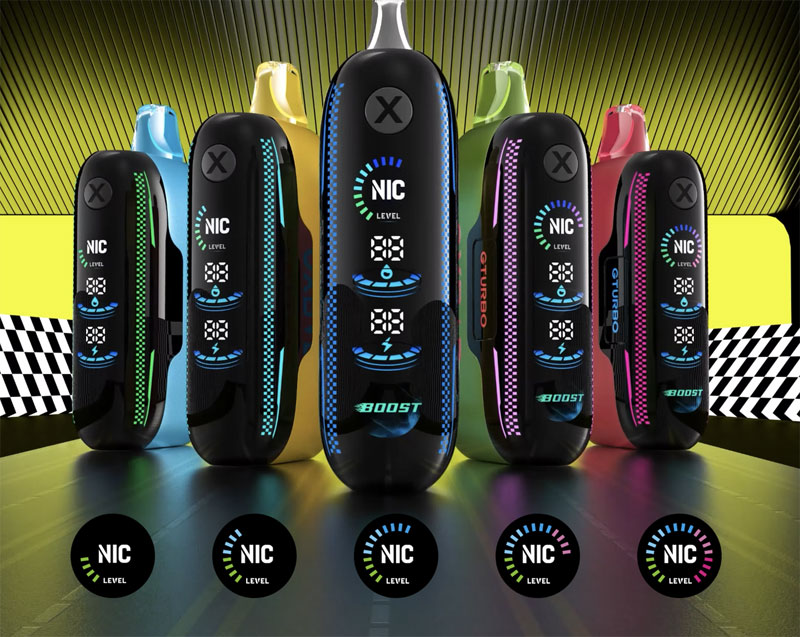
With the rise in e-cigarette usage, governments worldwide have started enacting laws to regulate their distribution and usage. These regulations often focus on preventing underage sales and monitoring the ingredients used in e-liquids. However, enforcement varies significantly between regions, leading to inconsistencies in availability and standards.
Impact on Youth
The sleek design and appealing flavors of e-cigarettes have caught the attention of younger demographics. This trend has sparked concerns regarding addiction among youth, as reports suggest a notable increase in e-cigarette usage in this age group. Educational campaigns are crucial to inform young individuals about potential risks and ensure that e-cigarettes do not become a gateway to smoking.
FAQs Once Surprising Now Alarming: Frequently Asked Questions
Are e-cigarettes a good tool for quitting smoking?
While some smokers successfully transition through e-cigarettes to quit smoking, it’s important to understand that they are not officially certified cessation tools. Various health organizations recommend structured cessation programs and medications approved for quitting smoking.
What are the long-term effects of using e-cigarettes?
The long-term effects are still largely unknown due to the relatively recent rise of e-cigarettes. Research continues to explore potential ramifications, including respiratory issues and other health impacts.
Can non-smokers start using e-cigarettes safely?

It’s advisable for non-smokers to avoid e-cigarettes, due to the addictive potential of nicotine and the uncertainty surrounding long-term health effects. The best way to protect one’s health is to strive for complete abstinence from nicotine products.