
E-cigarettes, often referred to as electronic cigarettes or vape pens, have increasingly become a topic of discussion in today’s society. As we delve into the e-cigarette definition, it is crucial to understand not only what constitutes these devices but also their broader implications on health and regulatory matters.
What Are E-Cigarettes?
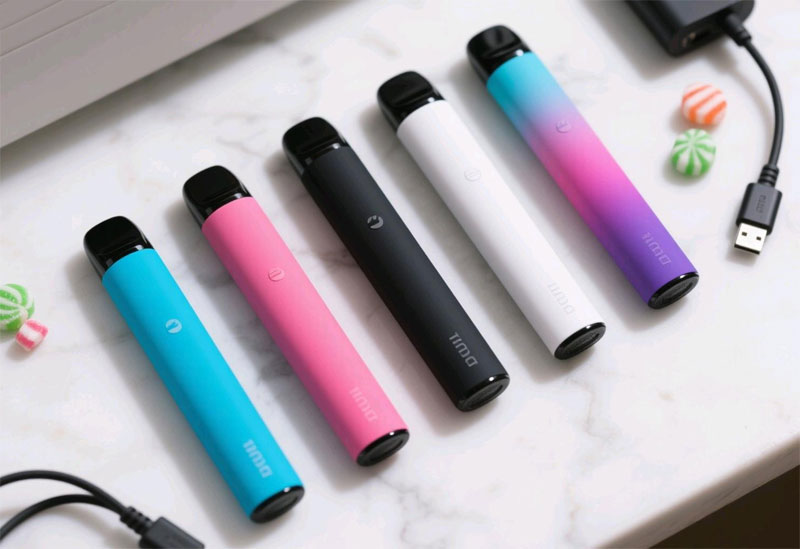
E-cigarettes are electronic devices designed to simulate the act of smoking. They work by heating a liquid, commonly known as e-liquid or vape juice, which contains nicotine, flavorings, and other chemicals. Upon heating, the liquid turns into vapor that users inhale. This process is termed “vaping”. Unlike traditional cigarettes, e-cigarettes do not burn tobacco; instead, they use battery power to create a vapor from the e-liquid.
- The typical components of an e-cigarette include a battery, a tank or cartridge to hold the e-liquid, and a vaporization chamber.
- Some e-cigarettes are disposable, while others are refillable and rechargeable.
- Flavors range from traditional tobacco to fruity and sweet options, catering to a wide variety of preferences.
Impact on Health
While e-cigarettes are often marketed as a ‘safer’ alternative to smoking, their health impacts remain a subject of ongoing research. Studies indicate mixed results:
- Some experts suggest that switching to e-cigarettes might reduce the risks associated with traditional smoking.
- Others warn about the potential health effects due to nicotine addiction and exposure to various toxic substances present in e-liquids.
Nicotine is known for its addictive properties, which could lead to long-term dependence. Although e-cigarettes eliminate the combustion of tobacco, thus reducing exposure to certain harmful substances like tar, they still pose health risks related to nicotine and other chemicals. Inhalation of vapor can also cause lung irritation and, in some cases, result in respiratory issues.
Regulations and Public Policy
Governments worldwide are grappling with how best to regulate e-cigarettes, balancing between innovation and public health concerns. Regulations tend to focus on age restrictions, marketing claims, and the composition of e-liquids. Some countries have implemented stringent rules, treating e-cigarettes similar to tobacco products:
- Age Limits: Most countries restrict sales to individuals above the age of 18 or 21.
- Marketing Restrictions: Advertisements must comply with guidelines preventing misleading health claims.
- Ingredient Disclosure: Manufacturers are often required to disclose all components and potential risks associated with their products.

These regulations aim to prevent underage vaping and ensure consumer safety by limiting exposure to potentially harmful substances. The ongoing debate highlights the need for more comprehensive studies to better understand the long-term effects of e-cigarette usage.
Frequently Asked Questions
What Are the Main Components of E-Liquids?
E-liquids primarily consist of nicotine, flavoring agents, propylene glycol, and vegetable glycerin. Propylene glycol and vegetable glycerin act as carriers for the nicotine and flavors, helping create the vapor.
Are E-Cigarettes Completely Safe?
While e-cigarettes may be less harmful than traditional cigarettes due to reduced exposure to combustion-related toxins, they are not completely safe. The nicotine and other chemicals present still pose health risks.
Can E-Cigarettes Help in Quitting Smoking?
Some individuals find e-cigarettes helpful as a smoking cessation tool, as they can simulate the smoking experience with reduced harmful effects. However, success varies depending on personal circumstances and should ideally be coupled with professional guidance.

In conclusion, understanding e-cigarette definition and related aspects is crucial for making informed decisions about their use. As research evolves, so too will our understanding of how these devices impact health and society, prompting further discussions about safe and effective regulation.