
E-Cigarettes, commonly known as vape pens, have gained remarkable traction and attention in recent years as an alternative to traditional tobacco smoking. This surge in popularity brings forth curiosity about what ingredients are in e cigarettes. Understanding these components is crucial for users who seek to make informed decisions regarding their vaping practices. As we delve into what constitutes e-cigarettes, we find a combination of both simple and complex ingredients that contribute to this modern smoking tool.
The Core Ingredients in E-Cigarettes
E-cigarettes fundamentally consist of e-liquid, commonly referred to as vape juice or e-juice. This liquid is vaporized through the heating element of the device, allowing users to inhale flavored vapor. The primary component of e-liquid includes Propylene Glycol (PG) and Vegetable Glycerin (VG), both used as carriers for flavors and nicotine. PG is often preferred for its ability to enhance flavor delivery, while VG is praised for producing thicker vapor clouds, thereby catering to different user preferences.
Besides these two substances, nicotine is another critical ingredient found in most e-cigarettes. It is the key addictive component that e-cigarette users often seek as a substitute for traditional cigarettes. The concentration of nicotine varies, allowing users to select levels that cater to their individual needs.
Flavor Additives

Another significant component that e-cigarettes offer is the wide range of flavors. From fruity compositions to savory options, flavor additives are what make vaping appealing to many individuals. These flavors are manufactured using both natural and artificial sources, and their diversity ensures there’s a choice for every user. Understanding what ingredients are in e cigarettes, especially the flavorings, is essential as some may contain diacetyl, a chemical linked to respiratory issues when inhaled over prolonged periods.
Additional Components
Apart from the e-liquid components, e-cigarettes consist of several hardware parts. These include the atomizer, the battery, and the mouthpiece. The atomizer is engineered to heat the e-liquid, transforming it into vapor. The battery powers the atomizer, and the mouthpiece is designed to enable the inhalation process. Furthermore, some models incorporate LED lights and control buttons that add to the user’s vaping experience. Understanding the technical makeup alongside what ingredients are in e cigarettes enhances the user’s ability to operate them safely and effectively.
Potential Risks and Concerns
Like many innovations, e-cigarettes come with their risks that users should be aware of. While many opt for vaping as a less harmful alternative to smoking, there is ongoing research regarding its long-term effects. Studies highlight concerns surrounding the inhalation of certain chemicals found in e-liquid, which may pose health risks. Users interested in what ingredients are in e cigarettes also need to be aware of the possibility of exposure to heavy metals like nickel, tin, and lead from the device’s heating element.
Choosing the Right E-Cigarette
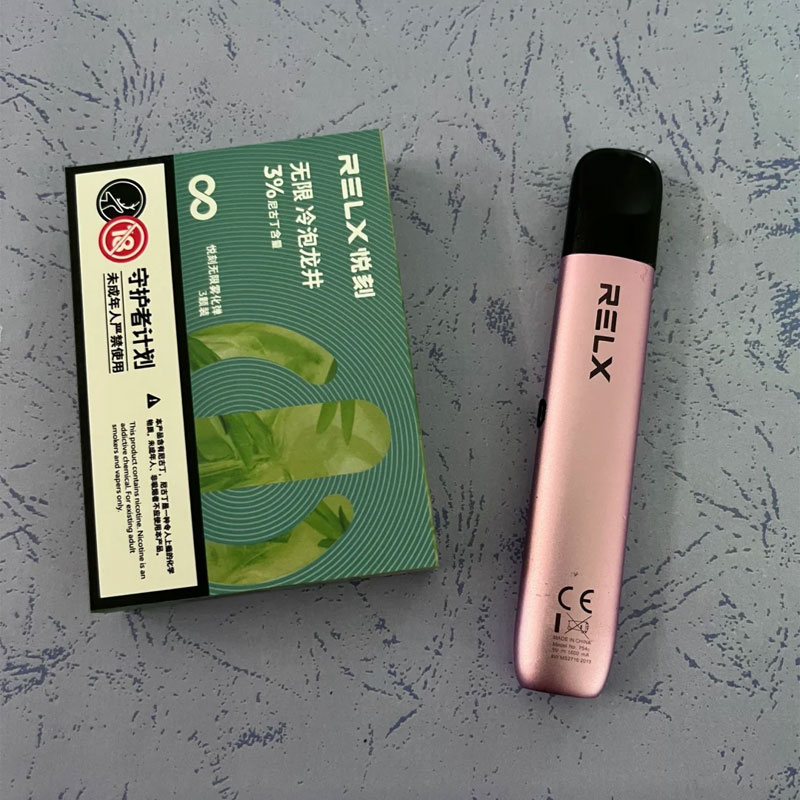
With the vast array of products available today, making an informed choice is pivotal. Users should pay attention to ingredient labels, seek products that disclose their contents, and ensure the e-cigarette meets industry standards. It’s advisable to start with lower nicotine levels and transition according to personal preference and medical advice.
FAQs
- Q1: Are e-cigarettes safer than traditional cigarettes?
A1: While e-cigarettes are considered less harmful because they do not produce tar, they still contain nicotine and other chemicals that may have health implications. - Q2: What should I consider when purchasing e-cigarette flavors?
A2: Look for reputable brands that disclose their ingredient sources, avoid flavors with questionable additives, and consider personal taste preferences. - Q3: Can e-cigarettes help with smoking cessation?
A3: Some people use e-cigarettes to reduce tobacco intake; however, success varies, and consulting with health professionals is recommended for quitting smoking.
In conclusion, comprehending what ingredients are in e cigarettes allows users to make educated choices. A thorough understanding not only enhances the vaping experience but also contributes to health awareness and safety in this evolving landscape.