Understanding E-cigarettes: What Are They?
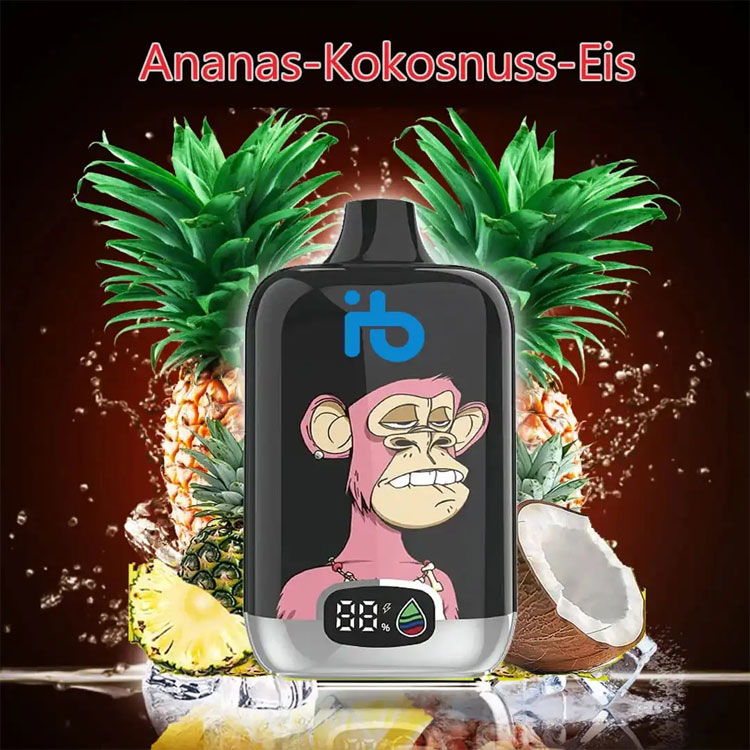
An e-cigarette, often referred to as a vape, is an electronic device designed to simulate the act of smoking. Unlike traditional cigarettes, e-cigarettes do not burn tobacco. Instead, they heat a liquid, commonly known as e-liquid or vape juice, to produce vapor. The key components of e-cigarettes include a battery, an atomizer, and a reservoir for e-liquid. This innovative approach offers users a customizable experience, including variable nicotine levels and a wide array of flavors.
Components of E-cigarettes
The functionality of e-cigarettes relies heavily on their individual components. The battery powers the device, typically rechargeable, providing the necessary energy for the atomizer to heat the e-liquid. The atomizer is responsible for the vapor production, effectively converting e-liquid into inhalable vapor through a coil system. E-liquids come in various flavors and nicotine concentrations, allowing users to select their preferred choice to fine-tune their vaping experience.
The health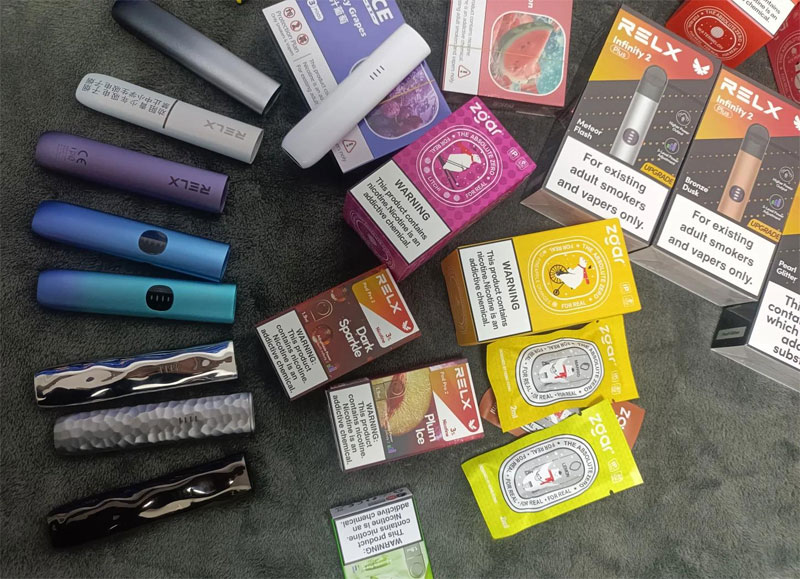 implications of e-cigarettes are still being researched. While they are widely marketed as a healthier alternative to smoking, experts urge caution due to potential risks associated with nicotine addiction and exposure to other chemicals in vapor. Comprehensive studies are underway to explore the long-term effects on health.
Benefits and Drawbacks
E-cigarettes are often praised for their ability to help traditional smokers reduce or quit smoking altogether. Users report fewer odors, cleaner air, and the convenience of vaping in various settings where smoking is prohibited. Furthermore, e-cigarettes provide control over nicotine intake, enabling consumers to gradually decrease their consumption if desired.
However, critics highlight several drawbacks associated with e-cigarette usage. Concerns about the marketing of e-cigarettes to minors, potential risks linked with lung health, and environmental waste due to non-biodegradable components are frequently raised. As technology evolves, manufacturing companies continue to refine their products to address these concerns.
Regulations Around E-cigarettes
Government bodies worldwide are implementing stringent regulations to curb e-cigarette proliferation among young people and to ensure product safety. These laws may include age restrictions, advertising bans, and quality control measures aimed at protecting consumers.
Common Questions About E-cigarettes
- How do e-cigarettes differ from traditional cigarettes?
- E-cigarettes do not burn tobacco; they vaporize e-liquid, offering a potentially reduced harm alternative.
- Can e-cigarettes help in quitting smoking?
- Many users find e-cigarettes helpful in reducing smoking habits, though results vary individually.
- Are e-cigarettes safe?
- While considered safer than combustible cigarettes, e-cigarettes are not risk-free and require further health research.